Chernobyliteis one of the latest games released that is set in Eastern Europe filled with post-Soviet-era iconography. As the name implies, it turns the Chernobyl Exclusion Zone into a digital playground full of ripe nightmarish stories rarely tapped in video games. For that matter, it’s automatically a good game, much like its cousins in the genre namelytheS.T.A.L.K.E.R.andMetroseries.
RELATED:The Best (& Worst) FPS Games Of 2019, According to Metacritic

That, however, doesn’t automatically makeChernobylitea flawless game. While the reviews and the reception are stellar,Chernobylitehas its own laundry list of problems that the indie developers might want to address according to the players. By no means do those diminish the game’s greatness, but some of them can be glaring enough to make the game a bit polarizing.
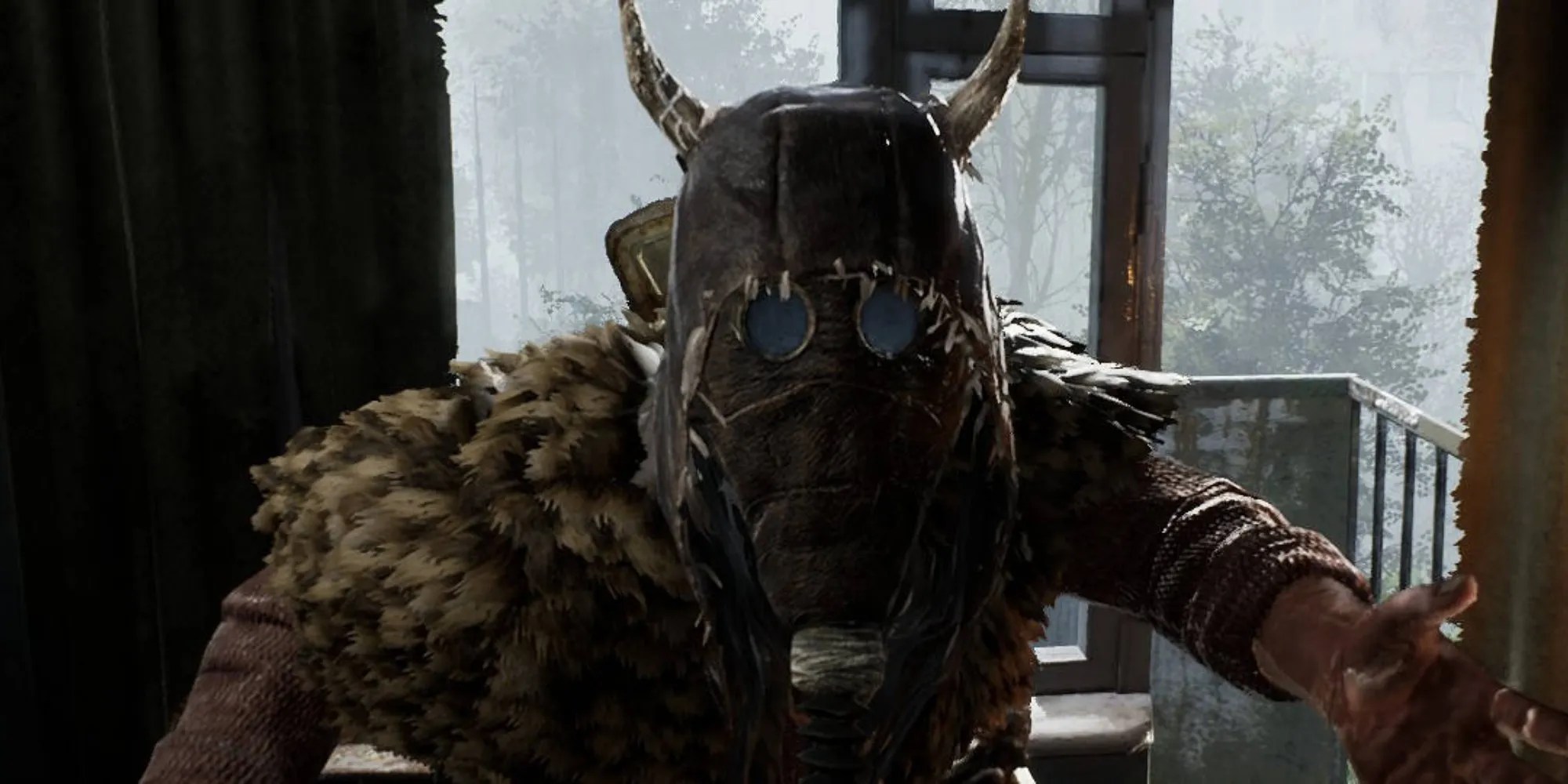
10Loved: The Setting
A game titledChernobylite,as discussed before, will surely turn heads. It builds upon thecult legacy established by games likeS.T.A.L.K.E.R.Games like thoseare rare, simply because it would bedifficult to capture the essence of the Chernobyl Exclusion Zoneif the developers weren’t from Eastern Europe.
Hence, any game that faithfully recreates the permeating post-Soviet-era depression under the overcast shadow of the Chernobyl nuclear plant accident deserves plenty of recognition. The whole locale is practically a contemporary glimpse of what most Western post-apocalypse games are trying to capture, except the inspiration is historical, making it more terrifying.
9Hated: The English Voice Acting
The Russian voice acting in a game made by an Eastern European indie developer (Polish, to be exact) will surely have impressive and believable performances. Sadly, the same can’t really be said for the English voice acting inChernobylite.
RELATED:FPS Games We Wish Were Ported To Consoles (& That Can’t Be)
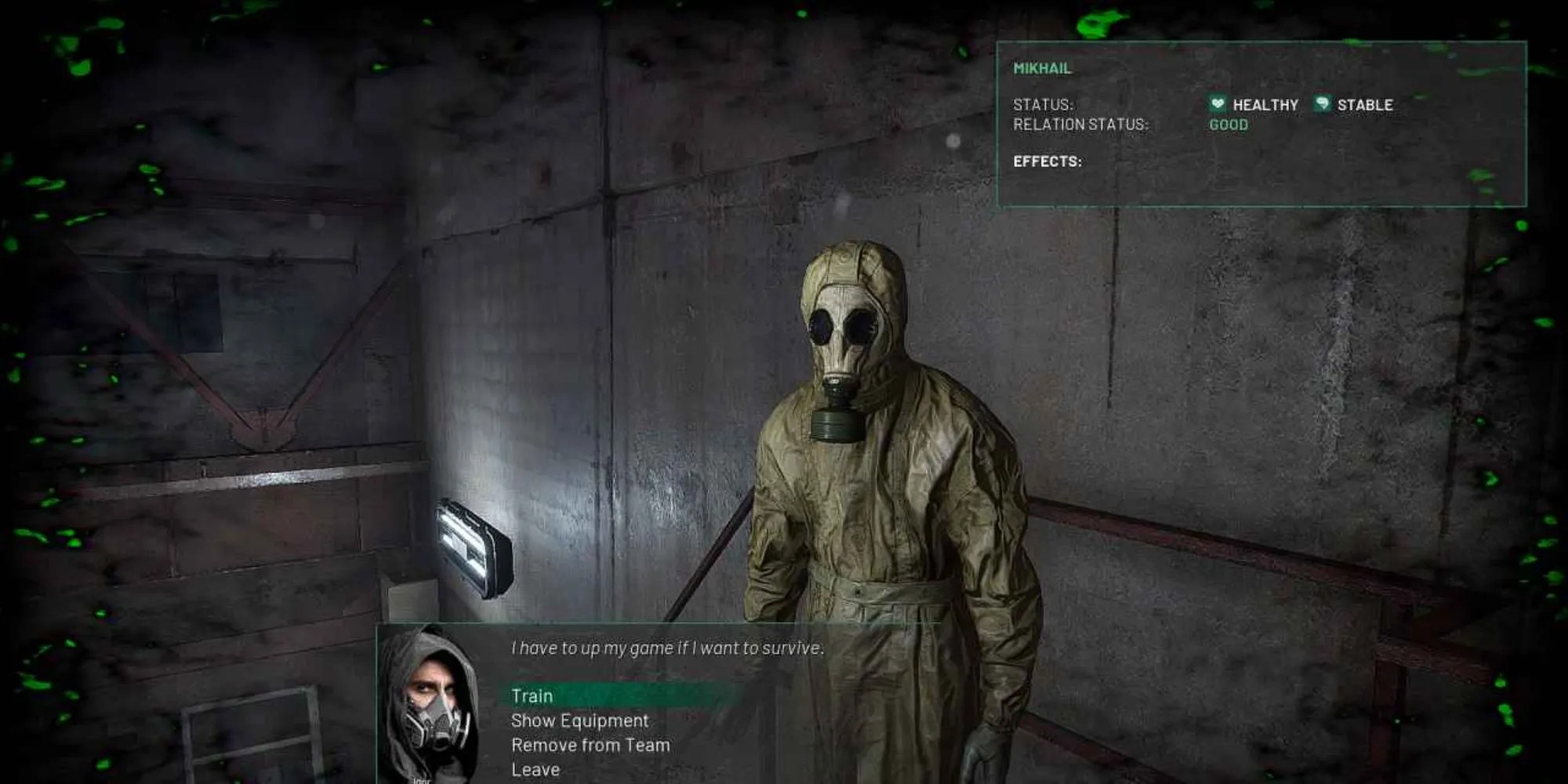
The general consensus is that it’snot up to par with the Russian voice acting. Itdoesn’t have the same emotional weight or desperation. Igor’s voice acting, in particular, sounds too much like a formal narration than a character trying to be conversational or dramatic. A big number of players even resorted to using the Russian dub even if their native language is English.
8Loved: Crew Dynamics
Although it tries to borrow some of the mechanics that theS.T.A.L.K.E.R.series incorporated, such as RPG elements,Chernobylitesets itself apart. The RPG elements lie not in gear customization but with the character interactions as well as the decision-makingwhen it comes to companions.
Igor has a crewto help him find his wife and to survive in the Chernobyl plant ground zero. How players balance out interactions with them can dictate whether they stick or leave. It’s somewhatakin toMass Effect’s companion systemwhere some of them can even die or permanently disappear at certain points in the game. That kind of system adds to the drama and bleak inhuman atmosphere.

7Hated: Lack of Weapon Variety
Here’s whereChernobylitelags behind in terms of the gameplay aspect. Players are given several instanced Exclusion Zone map parcels to freely explore butthe tools they explore it with are rather limited.For most of the game, the players get three weapons. Two more are present near the late-game but they function more like novelties.
RELATED:Best FPS Games Ever Made On Nintendo Consoles, Ranked
So when it comes to practicality, players only get arevolver, a shotgun, and an AK assault rifle. Customization for those weapons is available in the form of attachments but they’re typically there as an illusion of choice since the best attachments are those that increase damage. Anything else is less functional or appealing. Even theMetrogames have more gun variety.
6Loved: Accurate Environment
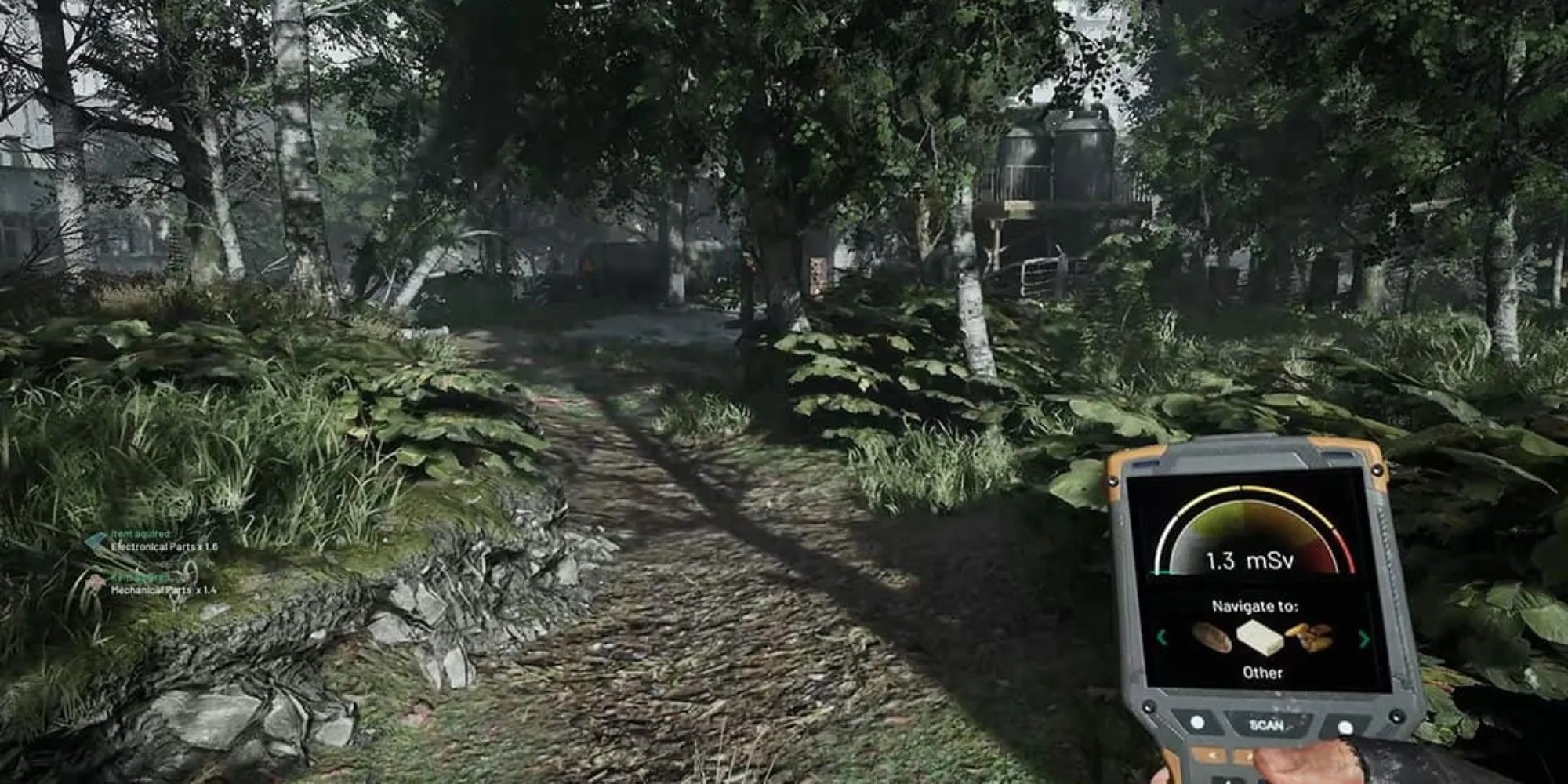
Since the setting is the biggest star inChernobylite, the developers have taken great care in recreating the real-life environment. They used many kinds of imaging techniques both, 3D and 2D, to render anaccurate digital representation of the Chernobyl Exclusion Zone.
Granted, the game isn’t fully open-world so some players might appreciate this less but it seems the developers even scanned some of the trees or building textures present in the real-life exclusion zone just to put it in-game. That kind of dedication shows in the final product.
5Hated: Subpar AI
A lot of video games with good gameplay loops and structures tend to ruin all that hard work by utilizing poor AI. It’s unfortunate thatChernobyliteis one of those games. It has intricate level design and an eerie environment that’s marred by AI or lack thereof in its enemies.
RELATED:Best Survival Games Of The Decade & Worst (According To Metacritic)

This is too noticeable when it comes to stealth. Upon player detection, the enemies will simply swarm to Igor’s spot even if only one of them saw him. If they don’t detect the player, then it’s very easy to take them all out by popping them in the head with a suppressed gun without even changing position. Don’t expect the melee enemies to perform any better.
4Loved: The Story
As mentioned before, the Chernobyl setting is just brimming with good stories both horrific and odd.Chernobylitechose to tell one aboutlove and griefwhich works well given its setting. Igor is flipping tables over in the Chernobyl Exclusion Zone forany hope of reuniting with his wifewho may or may not be human anymore (or even alive).
That’s the premise. Many twists and turns happen along the way that provide tons of challenges for Igor and serve to test the resilience of the human psyche. Of course, there’s also theusual sci-fi mysticismsurrounding nuclear energy and a symbolism for the power of uranium. All of them blend well to tell a unique take on the Chernobyl Exclusion Zone.

3Hated: Uninspired Missions
WhileChernobylite’s story and setup are good, the actual activities players must doto progressin them can quickly become repetitive. When not pursuing the main mission, Igor andhis stereotypicalRussian mercenary crew are scrambling for resources and side gigs in the Exclusion Zone.
RELATED:Frostpunk: Pro Tips On Survival
Thosemissions are old and outdated fetch questsand errands.Go somewhere, kill someone, find something—thetypical filler. After a couple of hours, most players have already seen the bulk of whatChernobylitehas on offer when it comes to actual gameplay. Worse still is how the players are introduced to these missions and tasks; too often they’re too blatant as filler content.
2Loved: Immersive Details
In addition to the satellite-accurate visuals ofChernobylite’s Exclusion Zone, there are alsoother details that make it more atmospheric. Sound design is one of those. Anything from the ominous silence down to the snapping of branches or lethargic wildlife chirps completes the immersion.
Gun sounds are also spot-on. There are only a few of them but they all sound so robust and weighty. Some of them even change their operational feel when the attachments are changed. The icing on top of the immersion isbullet casingswhich have their own model. That’s right: players can even see the bullet casings dropping on the ground.

1Hated: Barebones Video Game Mechanics
It would seem that in an effort to please as many fans of different genres as possible,Chernobyliteincorporated way too many tacked-on video game mechanics. It’s ahorrorFPS, RPG shooter withsurvival explorationand base-building—with stealth gameplay.
Now, which of those is the game’s forte? None.Each distinct video game genre system it includes feels basic and uninventive. There’s nothing here players haven’t seen in other video games—some of which have implemented said mechanics better. At best, all the novelty and creativity went to the storytelling and the setting, which is good enough for some.


